






Unauthorised vehicle access is one of the biggest risks facing vacant sites and private land. Once a vehicle gains entry, the consequences can escalate quickly, ranging from fly-tipping and vandalism through to illegal encampments, theft, and long-term occupation that becomes costly and time-consuming to resolve.
If you are responsible for vacant commercial premises, development land, private car parks, or unused access roads, putting physical controls in place early is the most effective way to prevent problems before they arise.
This guide explains how to prevent vehicles from accessing your site and how Marpol Security uses a layered approach that combines concrete barriers, vehicle access gates, and perimeter fencing to provide reliable protection.
Why unauthorised vehicle access is such a problem
Once a vehicle gains access to a vacant site or private land, the level of risk increases significantly. Vehicles allow trespassers to bring in people, equipment, waste, or materials, making situations harder to control and more expensive to resolve.
This often leads to traveller encampments, fly-tipping, theft, and damage to land or infrastructure, while also increasing health and safety risks and legal liability for the landowner. Preventing vehicle access early is one of the simplest and most effective ways to reduce these risks.
Start with physical barriers, not just signs or surveillance
Signs, cameras, and patrols all play a role in security, but they do not physically stop a vehicle from entering your land. Physical barriers are the first and most important layer of protection.
Concrete barriers: stopping vehicles completely
Concrete barriers are one of the most effective tools for preventing unauthorised vehicle access.
Once installed, they create an immovable obstacle that blocks entrances, driveways, access roads, and open ground. This makes it virtually impossible for vehicles to enter without heavy machinery, which dramatically reduces opportunistic access.
Concrete barriers are particularly effective for:
- Vacant land and development plots
- Disused car parks and access roads
- Preventing traveller encampments
- Blocking fly-tipping and off-road driving
- High-risk or repeatedly targeted locations
They can be deployed quickly and configured to suit a range of layouts, from single access points to long perimeter lines.
Temporary vehicle access gates: allowing control, not open access
In many cases, a site still needs legitimate access for contractors, surveyors, facilities teams, or inspections. This is where temporary vehicle access gates are useful.
Gates allow:
- Controlled entry for authorised vehicles
- Secure locking outside of working hours
- A visible deterrent to unauthorised access
- Flexibility to change access as site needs evolve
Gates are often used in combination with concrete barriers, allowing you to block most entry points completely while maintaining a single controlled access route.
Fencing and hoarding: securing the wider perimeter
Concrete barriers and gates protect access points, but fencing and hoarding are essential for securing the wider perimeter.
Temporary fencing and hoarding help to:
- Prevent pedestrian and vehicle trespass across open boundaries
- Reduce fly-tipping and antisocial behaviour
- Improve site appearance and public reassurance
- Support planning, insurance, and compliance requirements
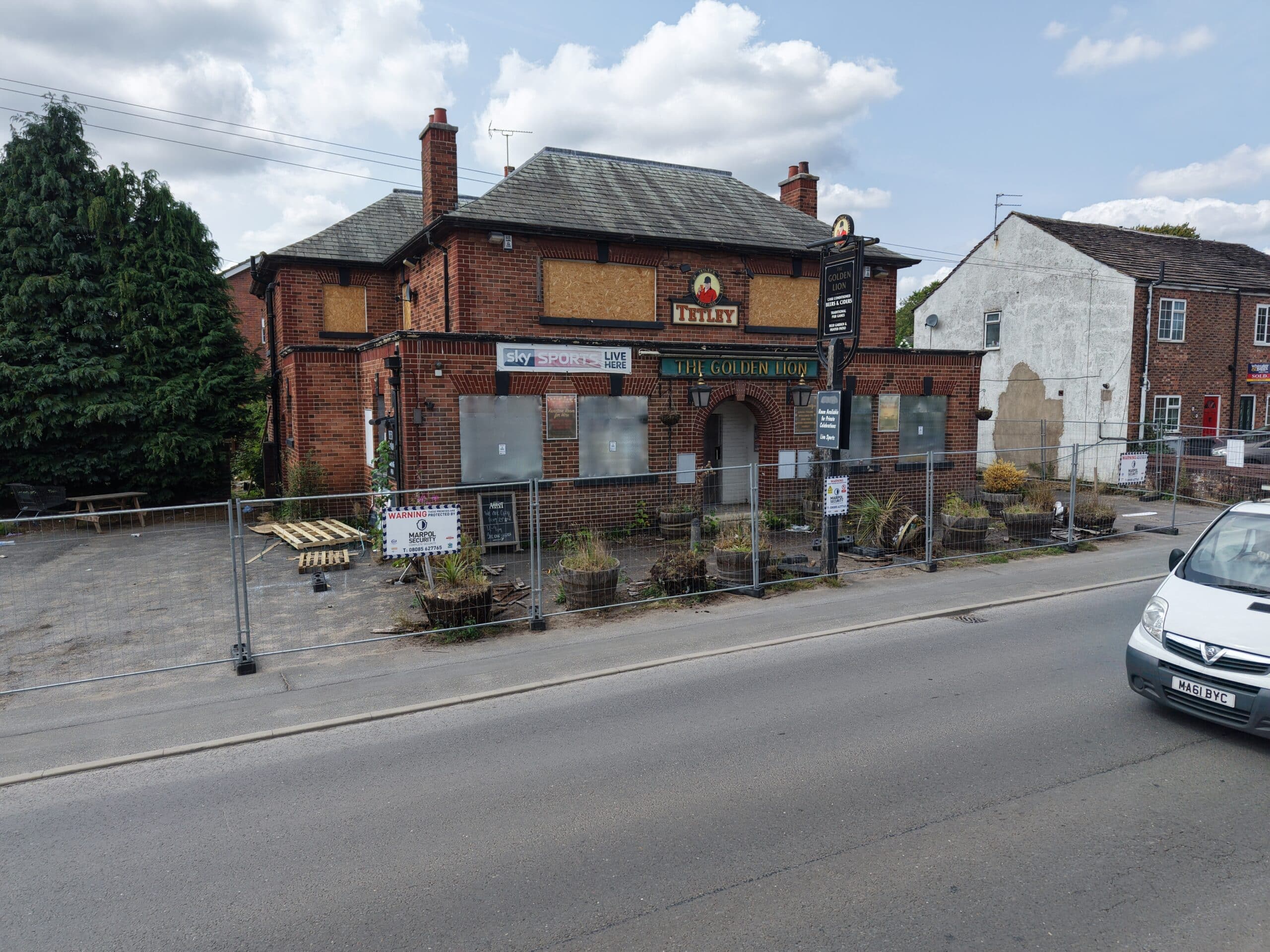
Options range from lightweight mesh fencing for short-term use, through to steel anti-climb fencing and solid timber hoarding for higher-risk or urban sites.
Why a layered approach works best
No single security measure is fully effective on its own. Barriers can block vehicles, and gates can control access, but they are most effective when used alongside perimeter protection, monitoring, and response. This layered approach makes it harder for intruders to gain access and easier to detect and deal with issues early.
By combining physical controls with monitoring and response, sites become far less attractive targets. This reduces repeat incidents, lowers long-term risk, and provides greater reassurance for landowners and asset managers.
How Marpol Secures Vehicle Access in 4 Simple Steps
At Marpol, we follow a clear, proven 4-step process to assess, secure, and protect vacant sites, private land, and access points from unauthorised vehicles.

Initial Consultation
Call our 24/7 freephone line to speak with a security expert. We’ll discuss your site, the risks you’re facing, and arrange a site visit if required.

Site Survey & Audit
A Marpol specialist assesses your site layout, access routes, and risk level to determine the most effective way to prevent vehicle entry. This includes identifying where barriers, gates, and fencing should be installed for maximum impact.

Installation & Integration
Our teams install concrete barriers, access gates, and fencing quickly and safely, with minimal disruption. Where needed, these measures can be integrated with alarms, monitoring, or patrols as part of a wider security plan.

Ongoing Support & Protection
We remain on hand to adjust, remove, or reconfigure your site security as needs change, whether that’s allowing temporary access, extending protection, or upgrading your setup.
Prevent Unauthorised Access Before It Happens
Once unauthorised vehicle access has occurred, it becomes harder and more expensive to resolve. Evictions, clean-up, repairs, and legal processes can quickly outweigh the cost of putting physical controls in place early.
Concrete barriers, access gates, and perimeter fencing prevent vehicle entry, control legitimate access, and secure the wider boundary. Used together, they provide a simple and effective way to reduce risk and protect vacant land and sites.